
The Self-Check
Lie on your back with your knees bent. Place two fingers horizontally across your belly button. Slowly lift just your head — not your shoulders — off the floor. Feel for a gap or a soft "valley" under your fingers. If you feel separation wider than two fingers, or the tissue feels soft and unsupported rather than firm, that's a sign of diastasis recti. This is information, not a diagnosis. What matters is what you do next.
What It Actually Means
Most guides focus on how many fingers wide the separation is. I look at something more important: the tension in the tissue itself. A two-finger gap with firm, responsive connective tissue often functions better than a one-finger gap that feels soft and unsupported. The goal isn't a smaller gap. It's a core that can generate tension and manage pressure when you move. That's what returns you to the activities you love.
What to Stop Right Now
If you have diastasis recti, these movements can widen the separation or delay healing:
- Crunches and sit-ups
- Full planks (until cleared)
- Leg raises
- Heavy lifting without proper breath mechanics
- Any movement that causes "coning" or "doming" — a ridge or tent shape down the center of your abdomen
If you see coning during any exercise, that's your signal to stop and regress the movement. It means your core isn't ready for that load yet.
What Actually Helps
Start here. These movements rebuild tension and pressure management without stressing the gap:
- Diaphragmatic breathing — Retrains your core to work with your breath, not against it. The foundation everything else builds on.
- Dead bugs — Teaches your deep core to stabilize while your limbs move. Low load, high return.
- Heel slides — Activates the transverse abdominis (your deepest core layer) without increasing pressure.
- Glute bridges — Builds the posterior chain that supports your core. Your glutes and your core work together more than most people realize.
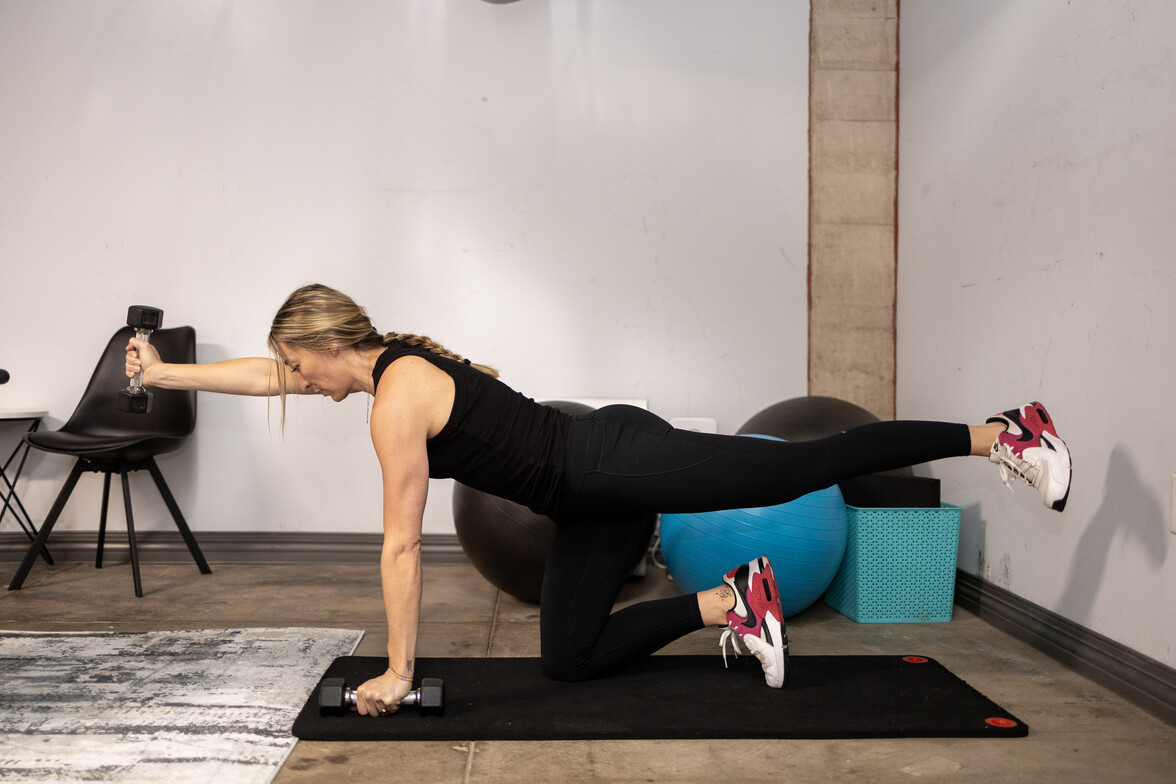
- Bird dogs — Trains stability and coordination from the inside out. One of the safest ways to build core control postpartum.
Do these slowly and intentionally. Three sets of 8–10 reps is enough to start.
When to Come In
A guide can take you far. But some presentations need hands-on assessment:
- Pain during everyday activities or exercise that doesn't improve after 2–3 weeks
- Pelvic floor symptoms — leaking, pressure, or discomfort
- Returning to running, lifting, or high-impact sport and not feeling ready
- A separation that feels unchanged after 6–8 weeks of focused rehab
As a sports medicine chiropractor, I assess diastasis recti through the lens of movement and return to sport, not just symptom management. If you're ready to move well again, that's exactly what we work toward together.

Colleen Ziperovich
Contact Me